
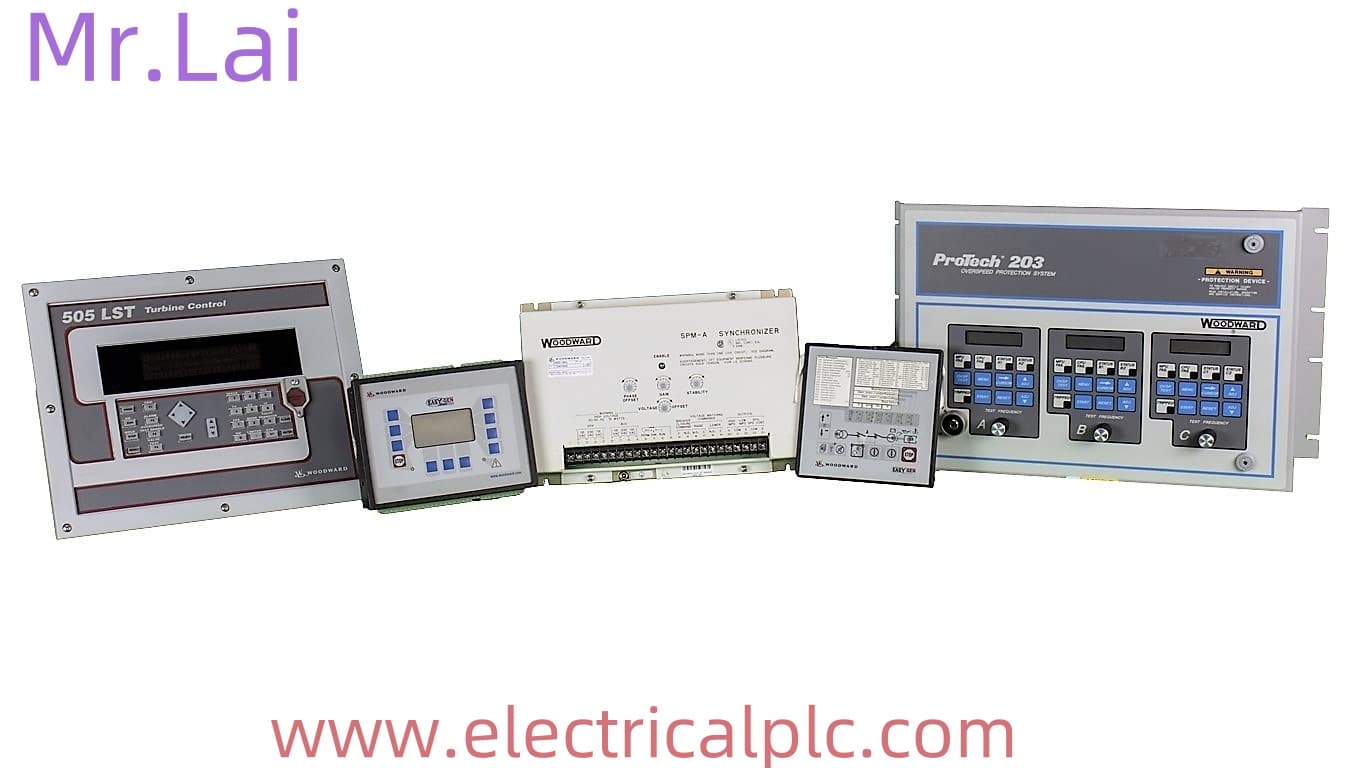
8440-1706 Woodward ProTech 203
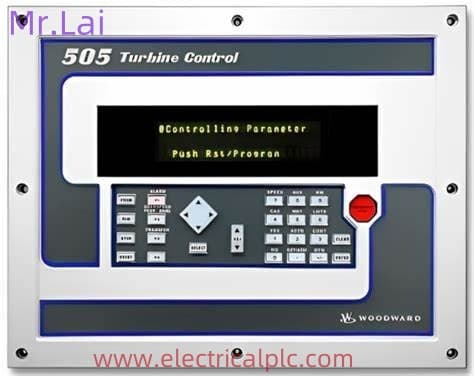
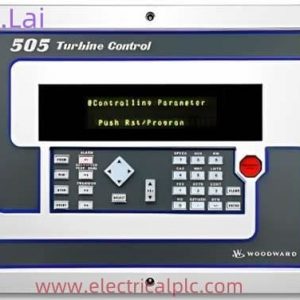
The 8440-1706 is a microprocessor-based digital governor controller produced by Woodward, belonging to its classic 505 series.
It is primarily designed for speed control and protection of steam turbines. Below is a detailed introduction to this product:
I. Product Overview
- Brand and Model: Woodward 8440-1706
- Series: 505 Series Digital Governor
- Type: Microprocessor-based controller
- Purpose: Specifically designed for steam turbines to control their speed and provide overspeed protection.
II. Core Functions
- Speed Control:
- 8440-1706 Precisely controls the speed of steam turbines by adjusting steam inlet flow.
- Supports single-range or split-range actuators to accommodate turbines of different sizes.
- Overspeed Protection:
- Incorporates triple independent overspeed protection logic to ensure rapid shutdown in case of overspeed, preventing equipment damage.
- Provides an overspeed test button for convenient on-site testing of protection functions.
- Emergency Shutdown:
- Equipped with an emergency stop button for immediate shutdown in emergency situations.
- System Protection:
-
- Automatically switches control modes upon sensor failure to ensure uninterrupted system operation.
- Offers local/remote control priority selection to adapt to different operational scenarios.
-
What is a host controller?
When developing specifications, we should ensure that there is only one host in any USB system. The USB specification
is not intended as a network architecture, its purpose is to achieve simple interconnection from peripherals to PCs. A host can
be a combination of hardware, firmware, or software. The most common USB host implementation scheme in computers currently
is part of the so-called core logic chipset. This host controller device adopts the computing function of PC CPU, supports data storage and
movement with system memory, and is implemented as a whole through PC operating system. All hosts must integrate a root hub into the system.
The host is mainly responsible for the following tasks:
Detecting the external connection and removal of USB devices
Control process between management host and USB devices
Manage the data flow between the host and USB devices
Collect status and activity data
Power supply for external USB devices
USB system software
Manage the interaction between hosts and devices in the following five aspects
Equipment List and Configuration
Synchronous data transmission
Asynchronous data transfer
power management
Equipment and bus management information
Most operating systems now include a series of “class drivers” that facilitate the connection of peripherals. Class drivers enable peripheral manufacturers
to provide products with native support for operating system software, thereby saving the cost of developing drivers and providing drivers for new host systems.
Moreover, after the launch of new storage devices, peripherals can directly support drivers. Most operating systems support some common class drivers, including
audio class, Human Interface Device (HID) class, imaging class, mass storage class, printer class, and video class. At present, many manufacturers
use the above-mentioned class drivers to implement product functions, but they also provide customized drivers or application software to support more functions beyond the class driver specification.
III. Technical Specifications
- Power Supply: 18-32 VDC, supporting 24VDC input.
- Display: Two-line x 24-character LED display for clear indication of operating status and parameters.
- Enclosure: NEMA 4X or IEC 60529 IP56 rated for protection against harsh industrial environments.
- Inputs/Outputs:
- Inputs: 6 programmable current inputs, 16 discrete contact inputs.
- Outputs: 2 actuator outputs, 8 relay outputs, 6 programmable current outputs.
- Communication Interfaces: 8440-1706 Supports RS-232, RS-422, and RS-485 hardware interfaces for easy integration with host computers or other devices.
- Software: Equipped with OpView™ and 505View software for parameter configuration, monitoring, and fault diagnosis.
- Operating Temperature: -20 to +60°C (some models support -4 to +140°F).
- Storage Temperature: -40 to +85°C (some models support -40 to +185°F).
- 8440-1706 Weight: Approximately 9.11 pounds (4.13 kilograms).
IV. Application Scenarios
- Steam Turbine Control: 8440-1706Suitable for steam turbines of various sizes, including industrial steam turbines, small grid turbo-generators, and turboexpanders.
- Single Extraction and Admission Applications: Designed for operating steam turbines in single extraction and/or admission applications.
- On-Site Programming: Allows on-site operators to program and adjust parameters through an integrated operator control panel, adapting to different operating conditions.
V. Product Advantages
- High Reliability:
- Microprocessor-based design ensures precise control and stability.
- Triple independent overspeed protection logic provides multiple layers of safety.
- Flexibility:
- Supports various actuator and sensor configurations to accommodate different turbine models.
- Offers a rich set of input/output interfaces for easy system expansion and integration.
- Ease of Use:
- Two-line x 24-character LED display provides an intuitive operating interface.
- A 30-key multifunctional keyboard simplifies parameter configuration and operation.
- Compatibility:
- Supports multiple communication protocols for easy integration with DCS, PLC, and other systems.
- Provides OpView™ and 505View software for remote monitoring and fault diagnosis.
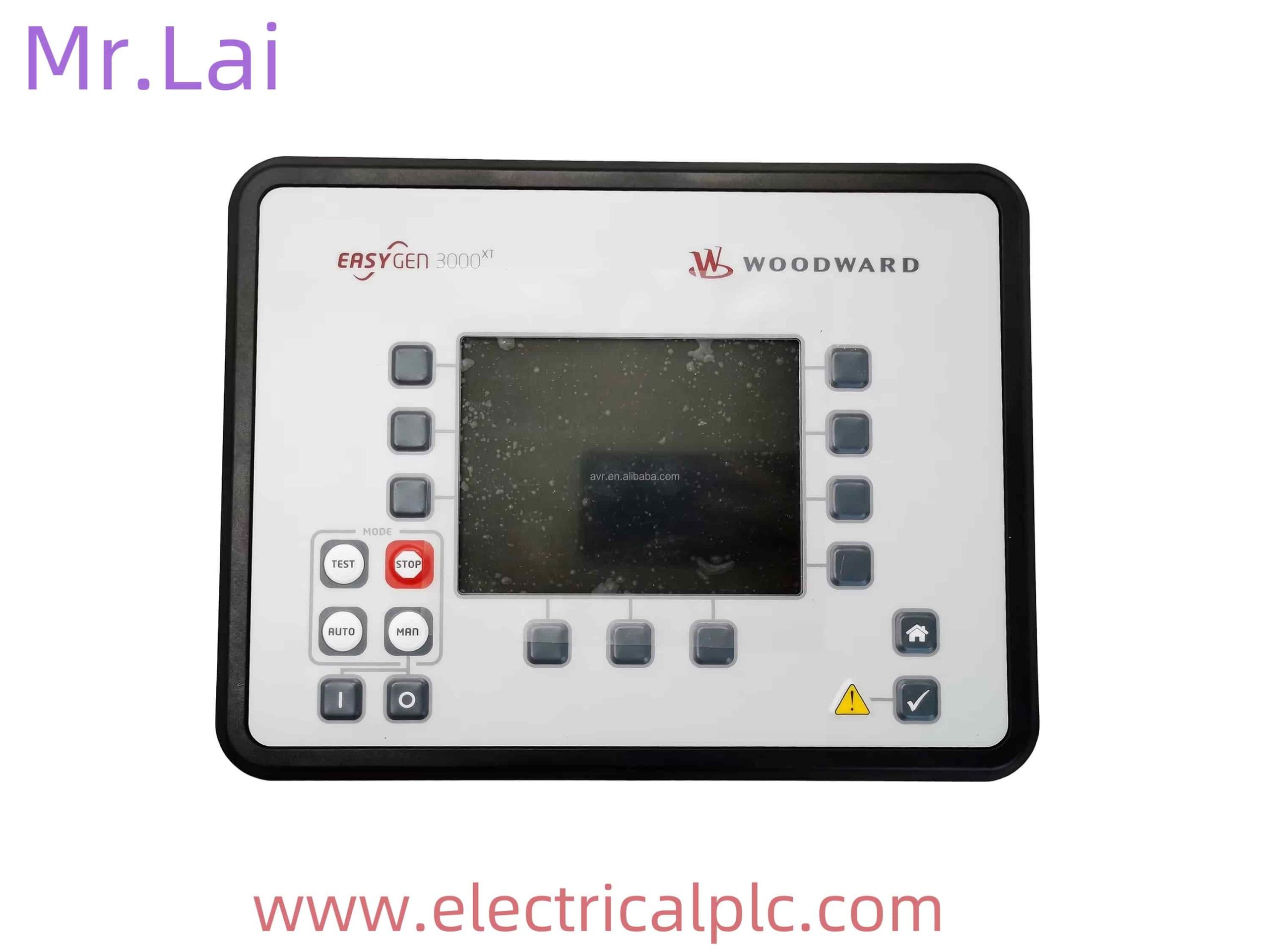
Woodward ship parts module debugger controller actuator generator set
9905-968 Woodward overspeed protector,
8272-684 Woodward ProTech 203,
9904-111 Woodward speed control module,
5439-929 WOODWARD Debugger unit,
9905-707 Woodward overspeed protector,
SPM-D10 Woodward speed control module,
8915-526 WOODWARD Debugger unit,
A9904-111 Woodward speed control module,
8440-2165 Woodward ProTech 203,
5463-787 Woodward speed control module,
Reviews
There are no reviews yet.